
Is Sitting Too Close to the TV a Sign Your Child Needs Glasses?
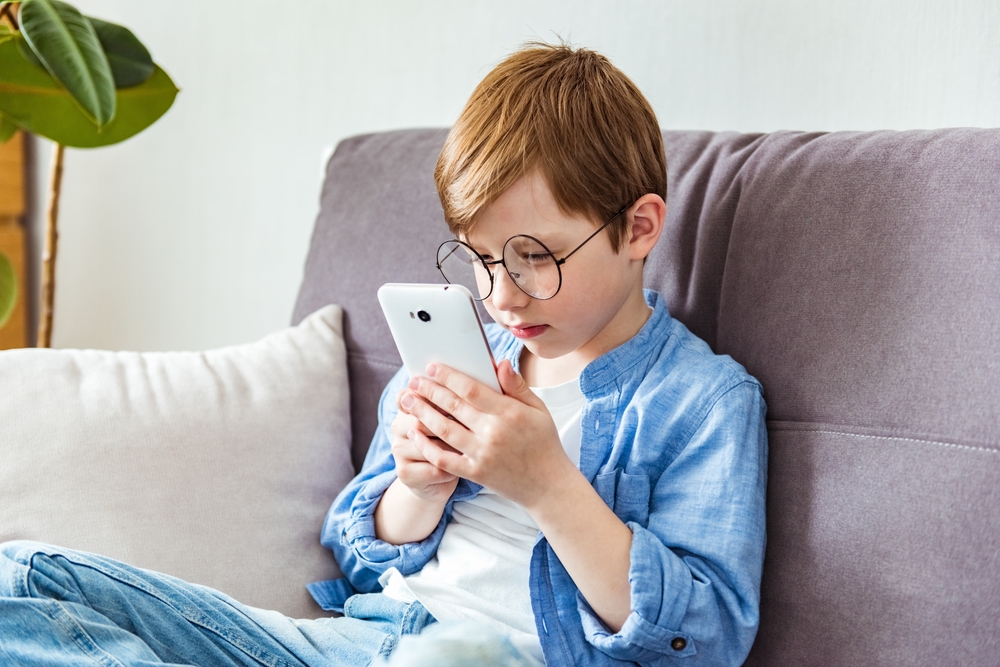
Have you noticed your child sitting unusually close to the television? While this behavior is common among young children, it can sometimes indicate an underlying vision problem. At Roselle Eye Clinic in Roselle, IL, we encourage parents to pay attention to changes in their child's viewing habits, especially when accompanied by other signs of blurry vision. Understanding what this behavior means can help you determine when it's time for a pediatric eye exam.
Why Do Children Sit So Close to the TV?
Children may sit close to the television simply because they enjoy being near the action or find the screen more engaging. Younger children often prefer viewing things up close, even when their eyesight is normal.
However, consistently sitting close to the TV can sometimes be a sign of nearsightedness, also called myopia. This common vision condition makes distant objects appear blurry while nearby objects remain clear.
If your child has difficulty seeing the television clearly from across the room, moving closer may help them compensate for blurry distance vision.
Other Signs Your Child May Need Glasses
Sitting close to the television is not enough to determine whether your child needs glasses. Parents in Roselle should watch for additional behaviors that may suggest an undiagnosed vision problem.
Common signs include:
Squinting when watching television or looking at distant objects
Frequently rubbing their eyes or complaining of tired eyes
Holding books, tablets, or other objects unusually close
Experiencing frequent headaches, particularly after visual activities
Having difficulty seeing the board at school
Tilting their head or covering one eye to see more clearly
If you notice several of these behaviors, scheduling a comprehensive pediatric eye exam can help identify potential vision concerns.
Does Sitting Too Close to the TV Damage Your Child's Eyes?
A common concern among parents is whether sitting too close to the television can permanently damage their child's eyesight. Fortunately, there is no strong evidence that viewing a television from a short distance causes permanent eye damage.
However, prolonged screen use may contribute to temporary eye strain, dryness, and visual discomfort. Extended periods of near work, including recreational screen time, may also be associated with myopia development or progression in some children.
Encouraging regular screen breaks and outdoor activities can help support healthy visual habits.
How Pediatric Eye Exams Can Identify Vision Problems
Children do not always recognize when their vision is blurry because they may assume everyone sees the same way.
At Roselle Eye Clinic, we offer pediatric eye exams to evaluate your child's vision and overall eye health. During an examination, we assess how clearly your child sees, check for refractive errors such as nearsightedness, farsightedness, and astigmatism, and evaluate how their eyes work together.
If corrective lenses are necessary, we can help determine an appropriate prescription to improve visual clarity and support everyday activities.
When Should You Schedule Your Child's Eye Exam?
If your child consistently sits close to the television, squints, or struggles to see distant objects, an eye examination is recommended rather than waiting for their next school vision screening.
School screenings can identify certain vision problems, but they do not replace comprehensive eye exams. Early detection is particularly important because children's vision can change as they grow.
If you're concerned about your child's eyesight, schedule a pediatric eye exam at Roselle Eye Clinic in Roselle, IL. Contact our team at (630) 228-1336 to schedule an appointment and ensure your child's vision receives the attention it deserves.
Quick Links
Helpful Articles
article_category: restorative
article_category: vision therapy
article_category: contact lenses
article_category: health
article_category: conditions
article_category: eye surgery co-management
article_category: exotic
article_category: cosmetic
article_category: products
article_category: psychiatry
article_category: faqs
article_category: cats
article_category: general
article_category: services
article_category: technology
article_category: dogs
article_category: surgical procedures
article_category: aesthetics
article_category: preventative
article_category: ocular disease management
article_category: eyeglasses
article_category: eye health
article_category: large animal
[]
Flowbite is an open-source library of interactive components built on top of Tailwind CSS including buttons, dropdowns, modals, navbars, and more.
Check out this guide to learn how to get started and start developing websites even faster with components on top of Tailwind CSS.

All Eye Care Services
Find personalized eye care excellence with our comprehensive services. From eye exams to advanced diagnostics, trust us for all your vision needs.

Keep In Touch
For non-urgent questions or to learn more about our services, contact us today!
© 2026 Roselle Eye Clinic. All rights Reserved - Accessibility Statement - Privacy Policy - Sitemap
Managed and Designed by 