
What Can Your Eye Doctor Learn About High Blood Pressure by Examining Your Retina?
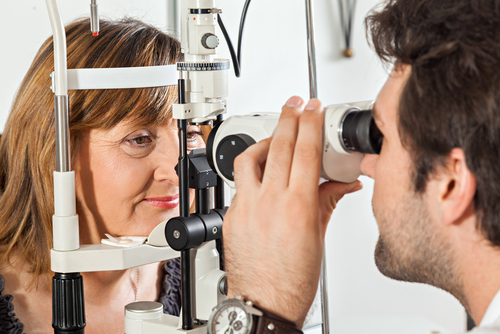
High blood pressure can affect more than your heart and blood vessels. It can also cause changes in your eyes, sometimes before you notice any vision problems. At Roselle Eye Clinic in Roselle, IL, we examine the retina during comprehensive eye exams to identify signs of eye disease and potential concerns related to your overall health. Understanding how high blood pressure affects your retina can help you recognize the importance of regular eye care.
How Does High Blood Pressure Affect the Retina?
The retina is the light-sensitive tissue at the back of your eye that helps convert light into signals your brain interprets as vision. It contains tiny blood vessels that can be affected by elevated blood pressure.
When blood pressure remains high, these vessels may narrow, become damaged, or leak fluid. This condition is known as hypertensive retinopathy.
In its early stages, hypertensive retinopathy may not cause noticeable symptoms. However, prolonged or severely elevated blood pressure can lead to retinal damage and vision complications.
What Signs of High Blood Pressure Can an Eye Doctor Detect?
During a retinal examination at our Roselle office, we look for changes in the blood vessels and surrounding retinal tissue that may indicate high blood pressure.
Some findings associated with hypertensive retinopathy include:
Narrowed blood vessels: Persistent high blood pressure can cause retinal arteries to become narrower.
Retinal hemorrhages: Damaged blood vessels may leak blood into the retina.
Cotton wool spots: Small white areas on the retina can develop when blood flow to retinal nerve fibers is disrupted.
Retinal swelling: Fluid leakage may cause swelling that affects vision.
Optic disc swelling: In severe cases, extremely elevated blood pressure may cause swelling of the optic nerve head, requiring urgent medical evaluation.
These findings can help us recognize potential concerns, although retinal changes alone cannot confirm a diagnosis of high blood pressure.
How Do We Examine the Retina?
At Roselle Eye Clinic, we use comprehensive eye examinations and advanced diagnostic technology to evaluate retinal health.
A dilated eye exam allows us to examine the retina and its blood vessels more thoroughly. We may also use optical coherence tomography (OCT), a noninvasive imaging technology that provides detailed cross-sectional images of retinal structures.
OCT can help us identify retinal swelling and structural changes that may not be apparent during a standard vision screening.
These evaluations provide valuable information about your eye health and help us determine whether additional medical assessment is appropriate.
Can High Blood Pressure Affect Your Vision Without Symptoms?
Yes. Many patients with high blood pressure experience no noticeable vision changes, even when retinal blood vessels are affected.
As damage progresses, some individuals may develop blurred vision or other visual disturbances. Severe hypertension can occasionally cause sudden vision changes that require immediate medical attention.
Because symptoms are not always present, regular comprehensive eye exams in Roselle are an important part of monitoring retinal health, particularly for patients with a history of hypertension.
What Happens If We Notice Signs of Hypertensive Retinopathy?
If we identify retinal changes that may be associated with high blood pressure, we will explain our findings and recommend appropriate next steps.
This may include following up with your primary care physician for blood pressure evaluation and management. While an eye exam can reveal possible effects of hypertension, blood pressure measurements and medical evaluation are necessary for diagnosis and treatment.
We may also recommend additional retinal monitoring depending on the severity of the findings.
Schedule a comprehensive eye exam at Roselle Eye Clinic in Roselle, IL, to evaluate your retinal health and protect your vision. Contact our team at (630) 228-1336 to book your appointment.
Quick Links
Helpful Articles
article_category: restorative
article_category: vision therapy
article_category: contact lenses
article_category: health
article_category: conditions
article_category: eye surgery co-management
article_category: exotic
article_category: cosmetic
article_category: products
article_category: psychiatry
article_category: faqs
article_category: cats
article_category: general
article_category: services
article_category: technology
article_category: dogs
article_category: surgical procedures
article_category: aesthetics
article_category: preventative
article_category: ocular disease management
article_category: eyeglasses
article_category: eye health
article_category: large animal
[]
Flowbite is an open-source library of interactive components built on top of Tailwind CSS including buttons, dropdowns, modals, navbars, and more.
Check out this guide to learn how to get started and start developing websites even faster with components on top of Tailwind CSS.

All Eye Care Services
Find personalized eye care excellence with our comprehensive services. From eye exams to advanced diagnostics, trust us for all your vision needs.

Keep In Touch
For non-urgent questions or to learn more about our services, contact us today!
© 2026 Roselle Eye Clinic. All rights Reserved - Accessibility Statement - Privacy Policy - Sitemap
Managed and Designed by 